How To Prepare For A Helicopter Rescue
Understanding how helicopter rescues work and how to respond when the helicopter arrives can help keep everyone involved safer.
As climbing continues to grow in popularity, rescues are becoming an increasingly familiar part of the sport. Accidents happen, and when they do, knowing what to expect can make a significant difference.
I’ve now assisted in three climbing rescues myself, two of which involved helicopters. Being part of a helicopter rescue is an intense experience. The downwash can be overwhelming, with powerful winds whipping around the cliff and loose rock and debris being blown about. At times, it can feel more like being caught in an extreme windstorm or tornado than standing on a climbing ledge.
You never know when you might find yourself needing to assist with a rescue, or needing to be rescued yourself. Being prepared, understanding how helicopter rescues work and knowing how to respond when the helicopter arrives can help keep everyone involved safer.
This guide is an extract from ROCKCLIMBING: The Australian Climbing Handbook, with this chapter contributed by Dr John Hollott. John works as an anaesthetist and as a prehospital and retrieval medicine specialist with the Westpac Rescue Helicopter in Newcastle, NSW. He also brings decades of climbing and mountaineering experience to the subject, having climbed and explored extensively across Australia and overseas.
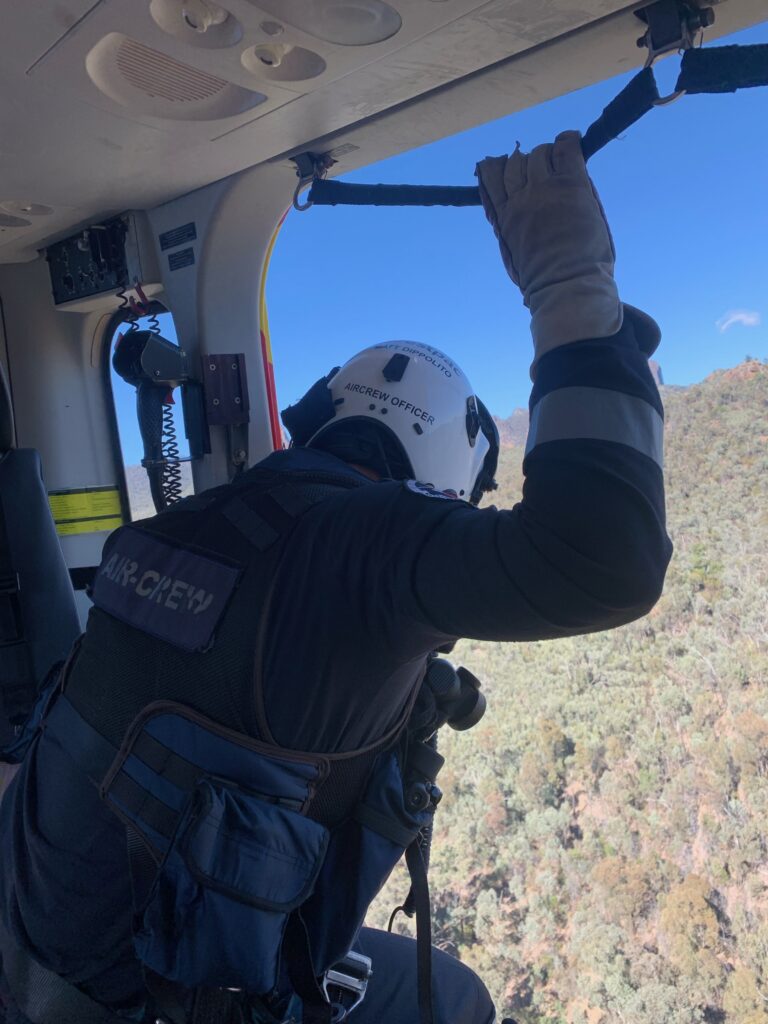
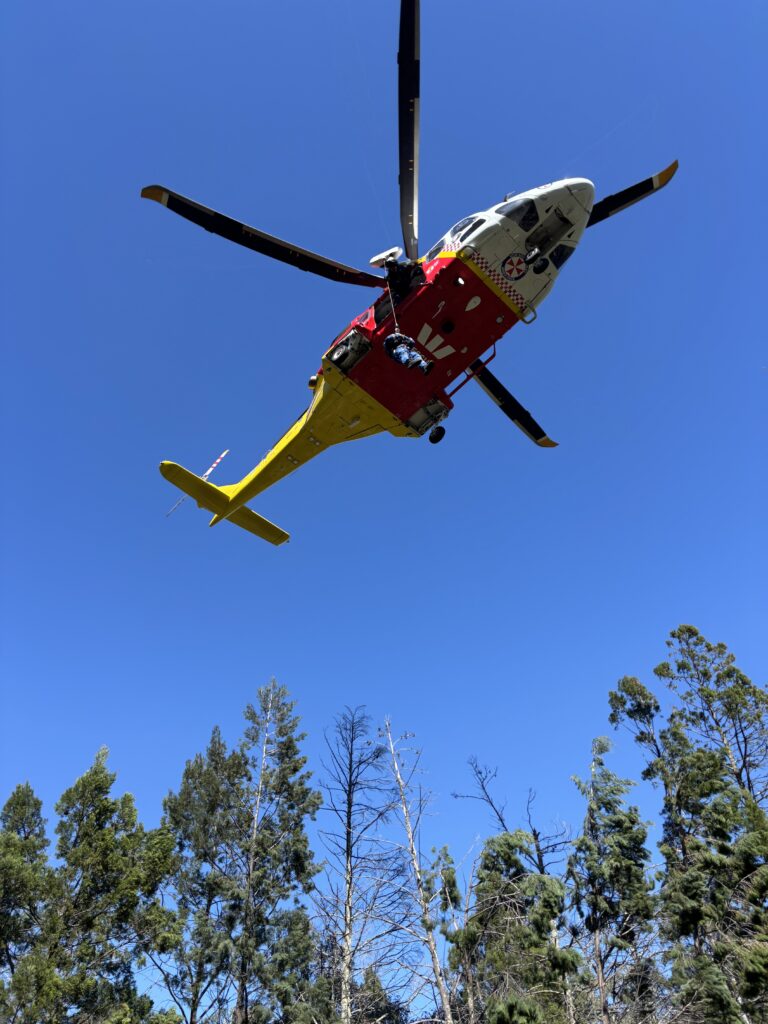
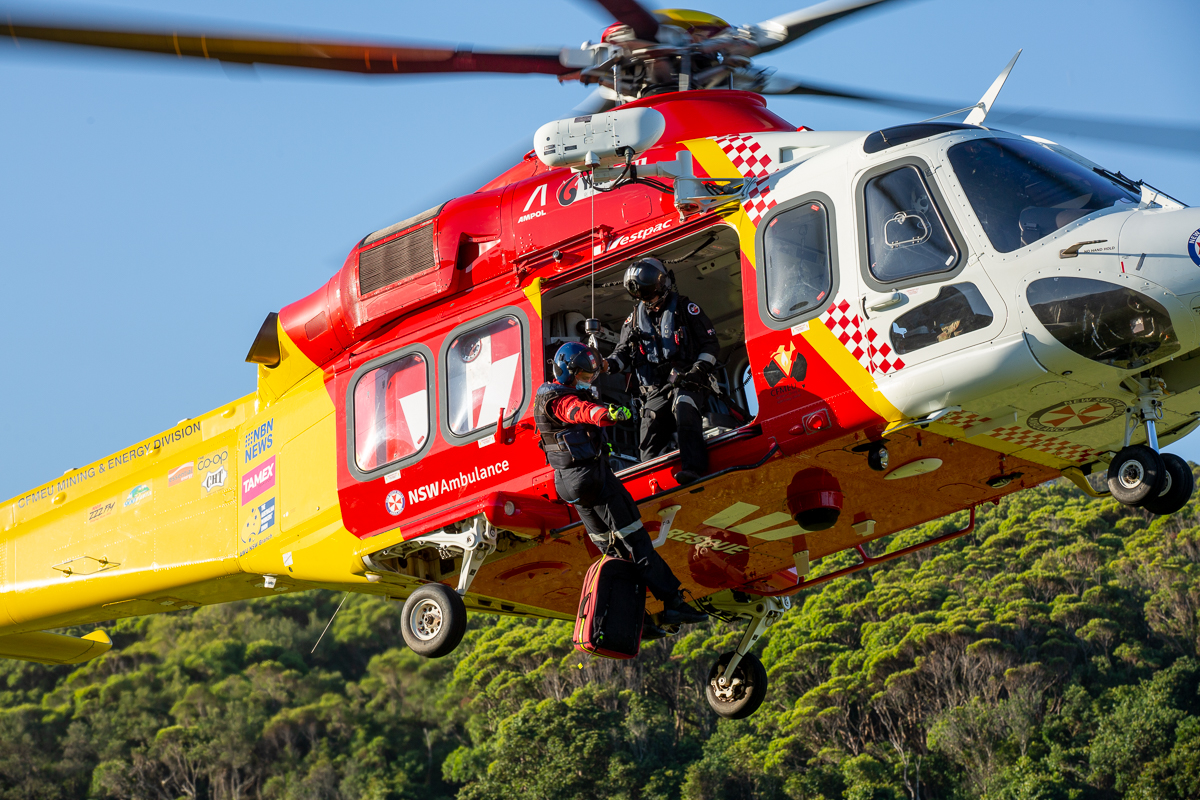
Westpac Helicopter. Images by Peter Stoop.
HELICOPTER RESCUE
Some situations will require the involvement of professional rescue services. In Australia, these are conducted by agencies such as the Police Rescue and Aviation Command – commonly known as PolAir – Fire and Rescue, Ambulance, Rural Fire Service, State Emergency Services and volunteer rescue associations. The Police generally hold overall authority and coordination in such operations.
Rescue helicopters are often operated by non-government organisations such as LifeFlight, CareFlight, Westpac Rescue, Toll and St John Ambulance. These helicopters are often equipped with a winch to lower specialist doctors and paramedics to the scene. Both the patient and rescue personnel can then be lifted into the helicopter for evacuation to safety or a hospital.
Direct signalling for a helicopter
When a helicopter is approaching, avoid standing beneath trees or near rocky outcrops. To become more visible, move around, reflect sunlight with a mirror or metal object, or wave brightly coloured clothing. To signal for help, raise both arms and wave them vigorously to clearly indicate that assistance is required.
Helicopter pilots and aircrew use night vision goggles in the dark. Even a small light source, such as a mobile phone torch, can be seen from several kilometres away. Shine it steadily in the direction of the helicopter.
A fire at night, and smoke during the day, can also attract attention, but use these with extreme caution as rotor downwash can spread embers and may start a bushfire.
If in phone contact with the helicopter crew, direct the pilot using the clock method to help guide them in. From the pilot’s perspective, straight ahead is 12 o’clock, directly behind is 6 o’clock, right is 3 o’clock, and left is 9 o’clock.
Helicopter on approach
When a rescue helicopter approaches, the rotor downwash can be extremely powerful, with several tonnes of air being forced down to keep the aircraft up. The biggest hazard with this is falling branches, so keep at least 50 metres clear of trees and remain upwind. The downwash will also kick up huge amounts of dust, so face away from the aircraft to shield your eyes and kneel to avoid being knocked over by the wind. Tie down or pack away any loose items and keep helmets on.
In the unlikely event of a catastrophic engine failure while hovering, the pilot will attempt to divert the helicopter forward and to the left. With this in mind, if possible, stay to the right of the aircraft to remain in the pilot’s line of sight.
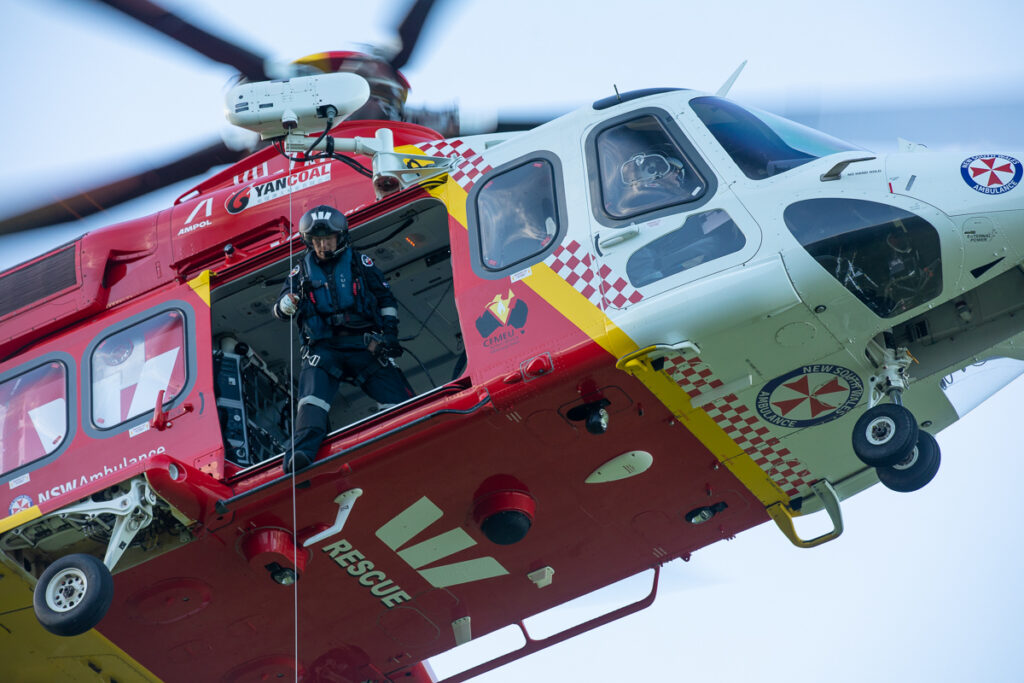
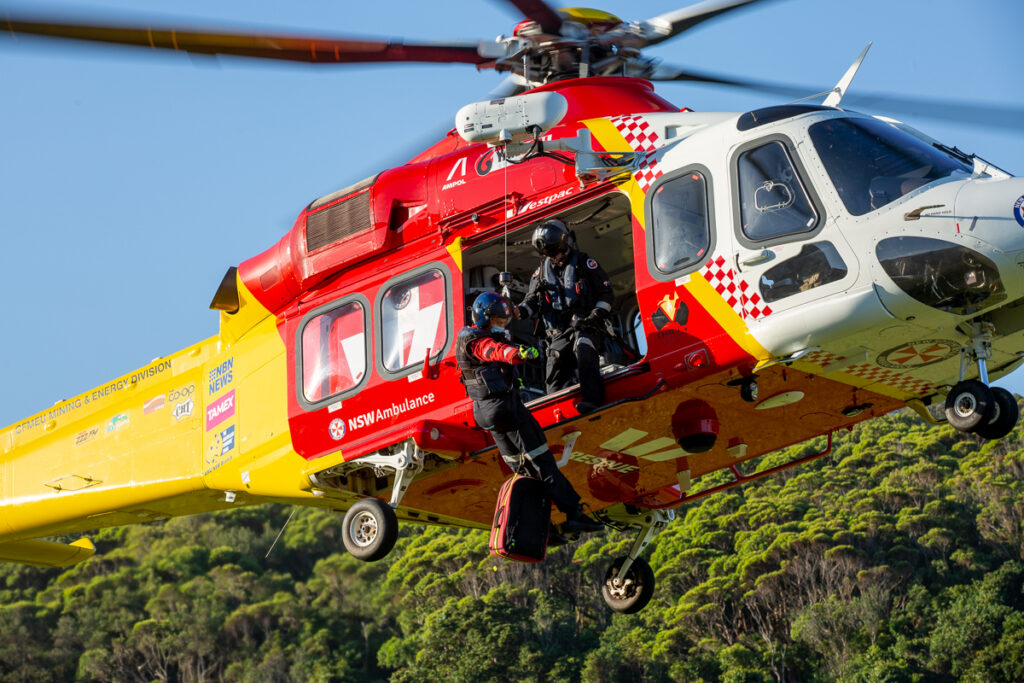
Westpac Helicopter performing a rescue. Images by Peter Stoop
Ground-to-air codes
YES: make a Y shape with both arms in the air.
NO: raise one arm and lower the other.
Down the wire
If rescuers need to be winched in, a trained professional, such as a paramedic or police rescue officer, will be sent down.
Climbing harnesses are unlikely to be used for winching people into the helicopter.
Instead, a purpose-designed rescue vest is typically used, or a stretcher for those who are injured.
Helicopter on approach
When a rescue helicopter approaches, the rotor downwash can be extremely powerful, with several tonnes of air being forced down to keep the aircraft up. The biggest hazard with this is falling branches, so keep at least 50 metres clear of trees and remain upwind. The downwash will also kick up huge amounts of dust, so face away from the aircraft to shield your eyes and kneel to avoid being knocked over by the
Landing
If the helicopter can and needs to land, stand back and prepare for strong winds and heavy dust. Do not move upslope from the aircraft, as the rotor blades will be closer to the ground here. Always stay on the downhill side. Never approach the rear of the helicopter, as the rear rotor is difficult to see, making it extremely dangerous. Remain in clear view of the pilot and crew at all times and do not approach the helicopter unless directed to do so. Wait for a clear signal, such as a thumbs up or flashing landing lights, before approaching. When given the all clear, approach from the front, staying within the helicopter’s 10 to 2 o’clock perspective.
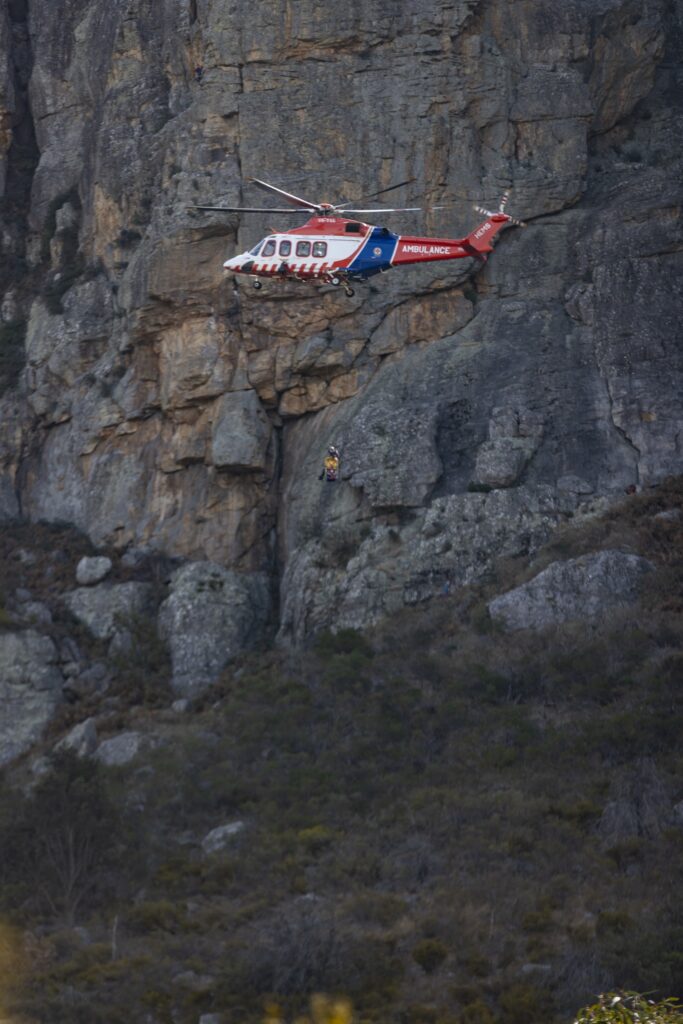
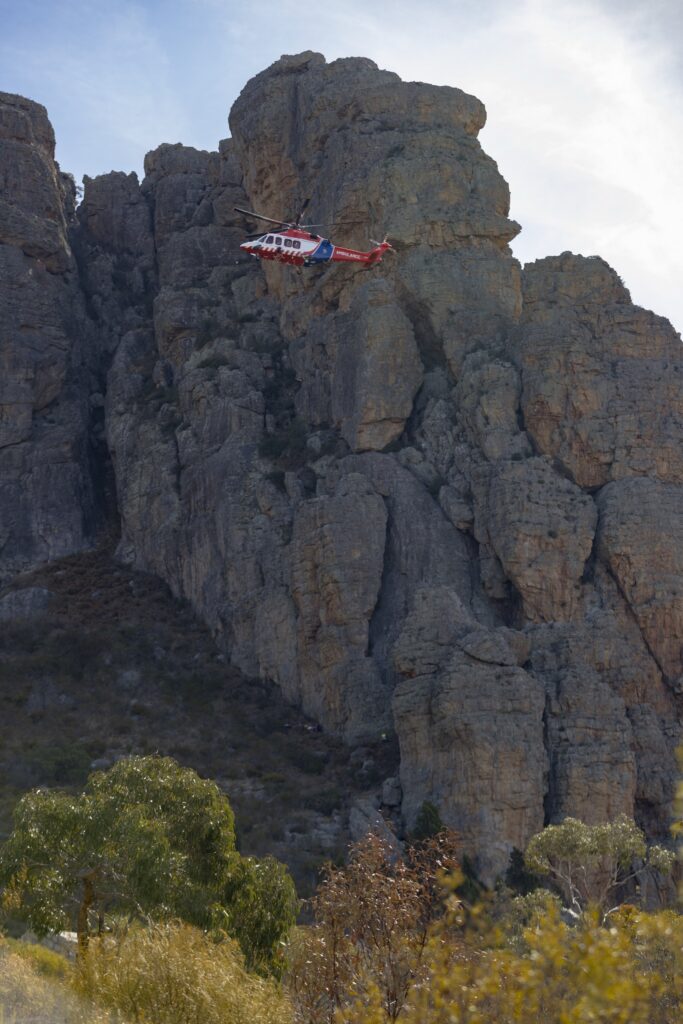
Rescue Helicopter at Mt Arapiles. Image by Claire Williams
Timing and risk for helicopter rescues
Technical rescues can take considerable time to plan and execute, often requiring patience and understanding from those being rescued. These operations put the safety of many people at risk, so protocols and Standard Operating Procedures must be followed by the rescue organisations. For cliff rescues, a ground-up approach is often not possible. Instead, a top-down method is typically used. Most professional rescuers in Australia are not climbers, and the country lacks the tradition of highly experienced climbers in vertical rescue teams like Yosemite Search and Rescue (YOSAR) or the use of professional mountain guides in Europe, such as Air Zermatt. However, Australian rescue organisations have excellent training and state-of-the-art resources available to them.
The paramedics, police, firefighters and volunteers are well-trained and overall exceptional people. Show them respect, follow their instructions carefully, and always take the time to thank them for their assistance.
Dr John Hollott
John works as an anaesthetist at John Hunter Hospital and as a prehospital and retrieval medicine specialist with the Westpac Rescue helicopter in Newcastle, NSW. With decades of climbing experience, he has explored cliffs in England, Italy, France, Norway, Thailand, Canada and the United States, and has taken on mountaineering challenges in New Zealand, France, Switzerland and Antarctica. He holds Single Pitch Guide qualifications with the Australian Climbing Instructors Association (ACIA) and is a Fellow of the Academy of Wilderness Medicine.
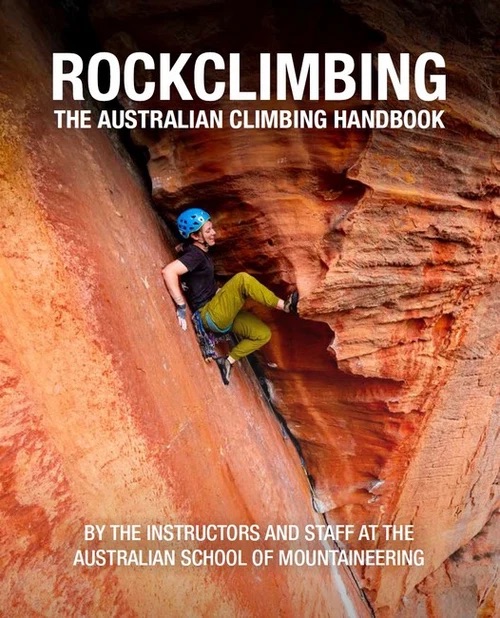
ROCKCLIMBING: The Australian Climbing Handbook is the most comprehensive climbing handbook written specifically for Australian climbers. Drawing on decades of experience from the staff and instructors of the Australian School of Mountaineering, it covers everything from planning, equipment and safety to technical skills, environmental considerations and the history and culture of climbing in Australia. Packed with hundreds of photographs and technical illustrations, it’s an essential resource for climbers of all levels.
Read our behind-the-scenes look at the contributors, the process and the making of the handbook in the Spring issue of Vertical Life.
The Australian Climbing Handbook can be purchased here.
Do you have a Tale of Woah? or had an Epic?
Share your story with us!
Other Rescue Articles:
Rock Climbing Rescue on Tiger Wall, Arapiles and Near Miss on Balls Pyramid