First Time at Frog Buttress? Here's What You Need to Know
Dreaming of your first trip to Frog Buttress? Queensland’s trad mecca is home to some of Australia’s finest crack climbing, but it can also catch first-time visitors off guard. From camping and gear to rope length and local ethics, here’s what you need to know before you rack up.
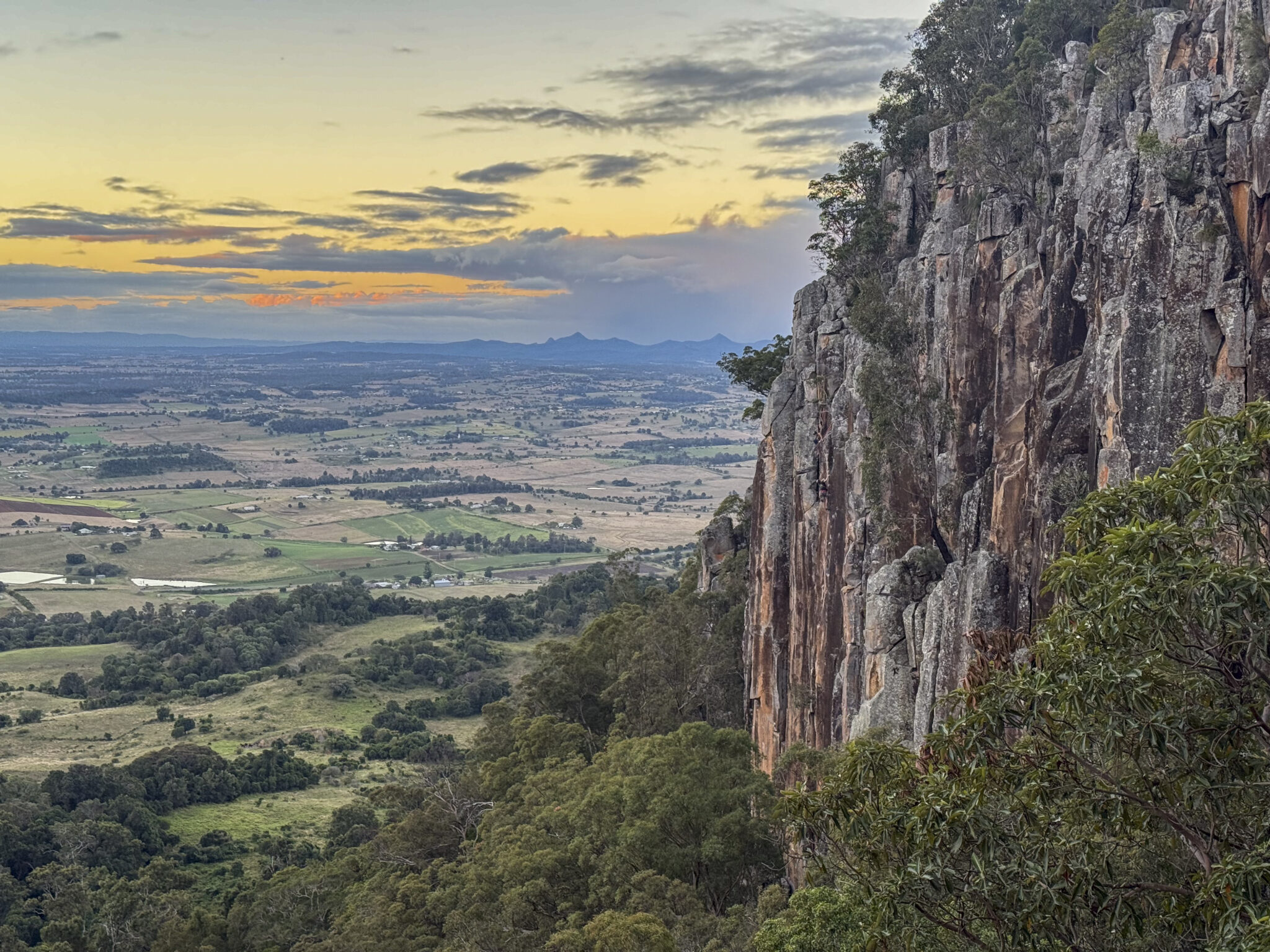
Thinking about crack climbing? There are few better places to be initiated into the art of hand jams, finger locks and endless splitter cracks than Frog Buttress in southeast Queensland. Every winter, climbers from across the country descend on Frog to test themselves on its iconic trad lines, only to discover they’re not quite as proficient at crack climbing as they remembered.
If it’s your first visit, here’s what you should know before heading up the hill.
Camping
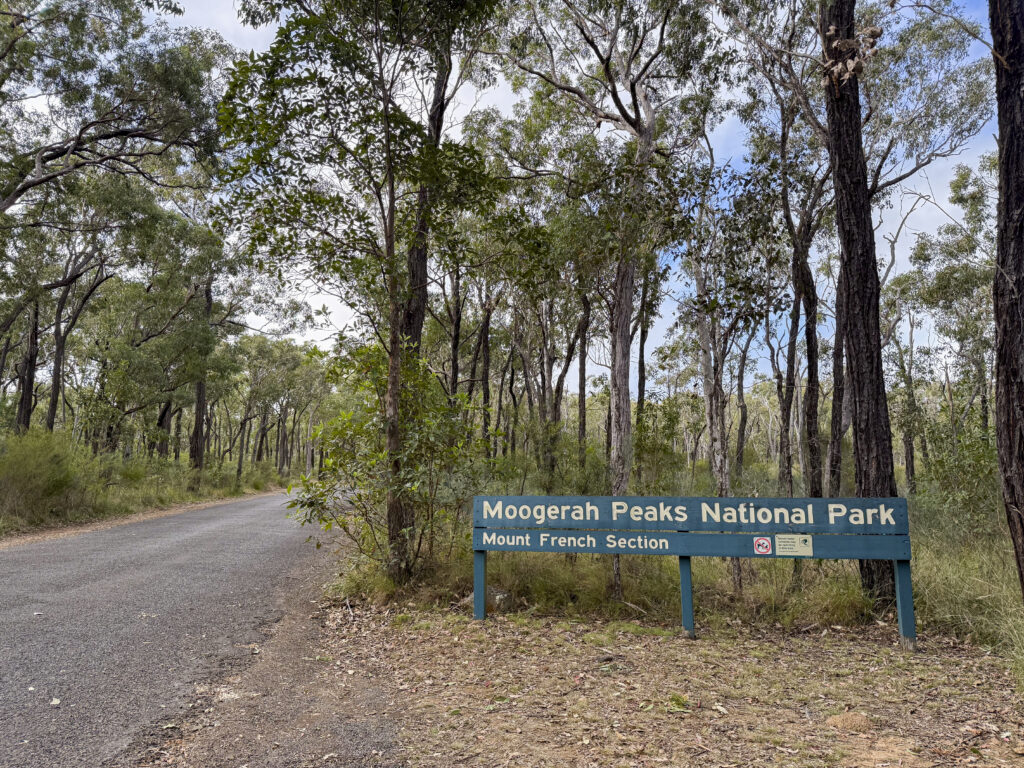
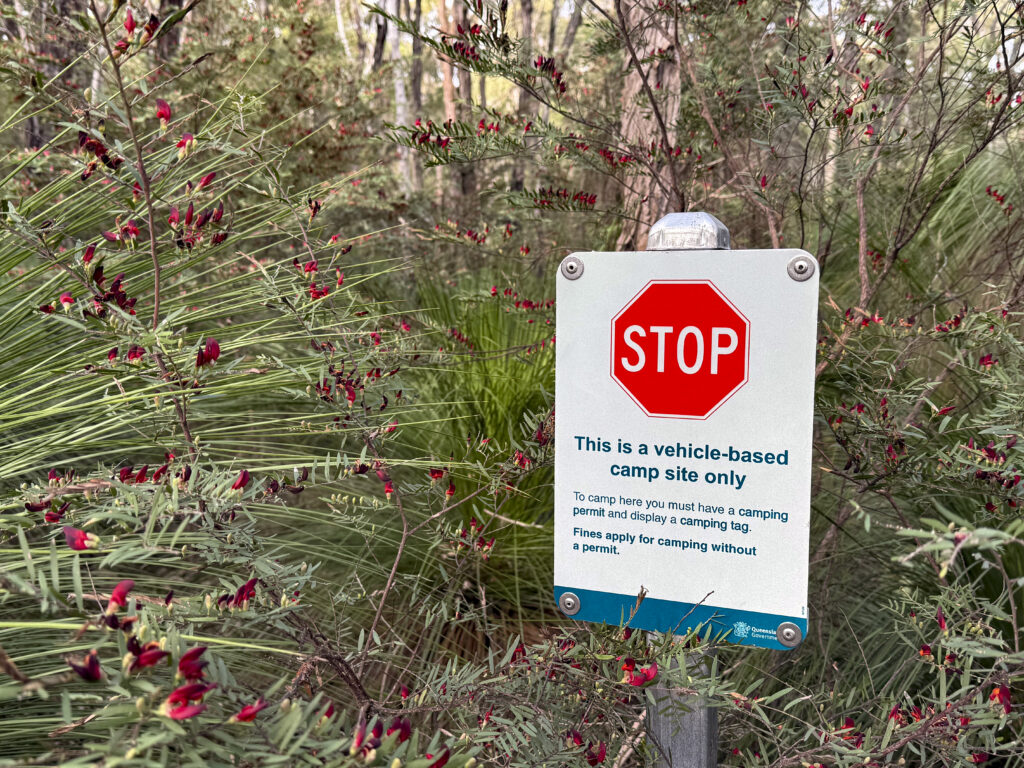
Camping at Frog Buttress is strictly managed and must be booked online before you arrive. There are two separate camping areas: vehicle-based camping (also listed as a multi-use site) and walk-in tent camping.
Despite what the booking system may imply, vehicle & multi-use sites are intended for vans and cars only. Pitching a tent on a vehicle site can result in rangers asking you to move or issuing a fine.
The walk-in tent area is separate from the car park, so be prepared to carry your gear. Many regulars bring a trolley or cart to make the trip easier.
Unlike climbing destinations such as Mt Arapiles or Mt York, camping is only permitted within the designated camping bays. Setting up outside these marked areas can also attract fines.
Facilities include flushing toilets and a dishwashing basin behind the amenities block, but there is no reliable drinking water, so bring plenty with you.
Finding the Crag
Access is straightforward. From the campground, follow the main track towards the lookout before taking the well-defined trail to the left. The path descends a series of dirt steps to the base of the cliffs.
From here, turn left for the South Side or right for the North Side. If you’re using Simon Carter’s Frog Buttress guidebook, the sectors are colour-coded, with the South Side marked in blue and the North Side in green, making it easy to navigate between the different climbing areas.
Frog Buttress has a reputation for humbling climbers.
Expect to Climb Harder Than the Grade Suggests
The routes are typically long, sustained and relentlessly technical. If you’re used to climbing at Mt Arapiles or the Blue Mountains, don’t expect the grades to translate directly. Crack climbing demands a different set of skills, and even experienced climbers often find themselves working much harder than expected.
While there are lower-grade climbs, many come with warnings about poor protection or loose rock. If you’re comfortably leading trad around grade 17 or 18 elsewhere, you’ll likely have a much more enjoyable introduction to Frog than someone climbing in the low teens.
Helmets Are Essential
Loose rock isn’t uncommon, making helmets essential for both climbers and anyone waiting at the base.
Many routes also have anchors set well back from the cliff edge, while others have no fixed anchors at all. Competent rope management, anchor building and abseiling skills are often required to descend safely.
Trad First, Top-Roping Second
Frog Buttress is, first and foremost, a traditional climbing crag.
Although it’s technically possible to top-rope some climbs, it generally isn’t encouraged. Accessing the cliff top often involves loose rock and debris directly above the walking tracks and climbing areas, creating an unnecessary rockfall hazard for people below.
If you’re hoping to top-rope routes, the preferred approach is to have an experienced leader climb the route first and trail a rope behind them, allowing the top rope to be established from the ground up rather than from above.
Bring a Long Rope
Many of Frog’s classic routes are around 40 metres long.
An 80-metre rope is strongly recommended and gives you access to most climbs without issue. While a 70-metre rope can be used on some routes, you’ll need to carefully check route lengths and descent requirements before committing. Alternatively bring two ropes and tie them together for your descent.
What Rack Should You Bring?
Frog Buttress is famous for its long, sustained crack climbs, so it’s worth bringing a rack that gives you plenty of options.
For most routes, a double rack of cams plus a set of wires will be enough, but many climbers prefer carrying a triple rack on the longer classics to avoid running out of gear before the anchors.
It’s also worth packing a few specialist pieces. Some of Frog’s renowned off-widths are much more enjoyable with a No. 5 or No. 6 cam, while a selection of small cams or RPs can be invaluable for protecting thin cracks and delicate crux sections.
If you’re unsure what gear a route requires, check the guidebook or ask other climbers at the base. Frog has a welcoming trad community, and most climbers are more than happy to share advice on recommended racks for the area’s classic lines.
Showers
If you’re staying for a few days and need a shower, the Boonah Showgrounds and Caravan Park offers shower facilities for $5 between 9am and 4pm.
Please pay the fee rather than trying to sneak in. In the past, climbers avoiding payment have resulted in access being restricted to everyone, and it’s a simple way to help maintain a good relationship with the local community.
Supplies
The nearby town of Boonah has everything you’ll need for a climbing trip, including an IGA supermarket, fruit and vegetable shops, cafés (my personal favourite is The Story Tree), Mitre 10 and Far Outdoors (camping supplies and some climbing gear). It’s worth stocking up before heading to the campground.
Water & Rubbish Disposal
Dugandan Park and the Boonah Visitor Information Centre both have taps where you can refill your drinking water, along with bins for rubbish disposal.
If you’re travelling in a van, the Visitor Information Centre also permits free overnight parking for a single night, making it a handy if the campground is booked out.
Phone Reception
Don’t expect great reception.
The campground has patchy mobile coverage at best, although reception tends to improve once you’re down at the cliffs.
You’ll Probably Be Back
There’s something about Frog Buttress that keeps climbers coming back. Maybe it’s the splitter cracks, the endless winter sunshine or the satisfaction of finally unlocking a sequence that spat you off the day before.
Whatever it is, don’t be surprised if your first trip turns into an annual pilgrimage. Few places in Australia offer such a concentrated dose of traditional crack climbing, and once you’ve learned to trust your jams, it’s hard not to fall in love with the place.
Claire’s Favourite Climbs… So Far
If you’re looking for a few classics to add to your tick list, these are some of my favourites from Frog Buttress.
- Materialist Prostitution** (16) – A brilliant, hand crack with excellent jams and great flow.
- Plume** (18) – The line alone just looks cool. A mix of a little face and some great jams.
- Infinity*** (19) – A must do classic. Once you stare up at it, you’ll understand.
- Devil’s Dihedral*** (20) – Lots of stemming, cool jams and delicate footwork.
I’m still working my way through Frog’s endless classics, so I’m sure this list will continue to grow with each visit.
Other Articles: