Why is no one talking about the quiet destruction happening in our canyons?
Across the Blue Mountains, fragile sandstone gorges that once saw only a handful of experienced canyoners each day are now receiving unprecedented numbers of visitors. The surge is being driven by guidebooks, blogs and social media posts promoting “secret infinity pools” and hidden swimming holes. The result is growing environmental damage in landscapes that took thousands of years to form—and that may never recover.
When a Canyon Becomes a Destination
Many of the people now entering these environments don’t realise they are entering a canyon at all. They believe they are following a bush track to a scenic swimming spot.
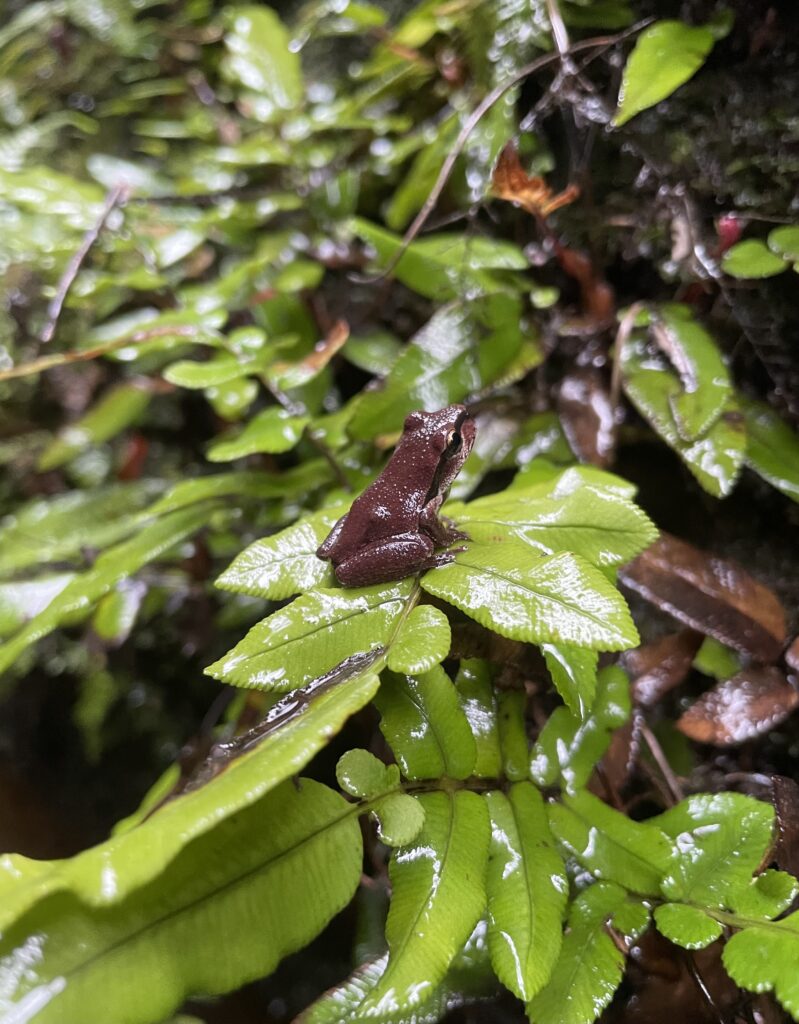
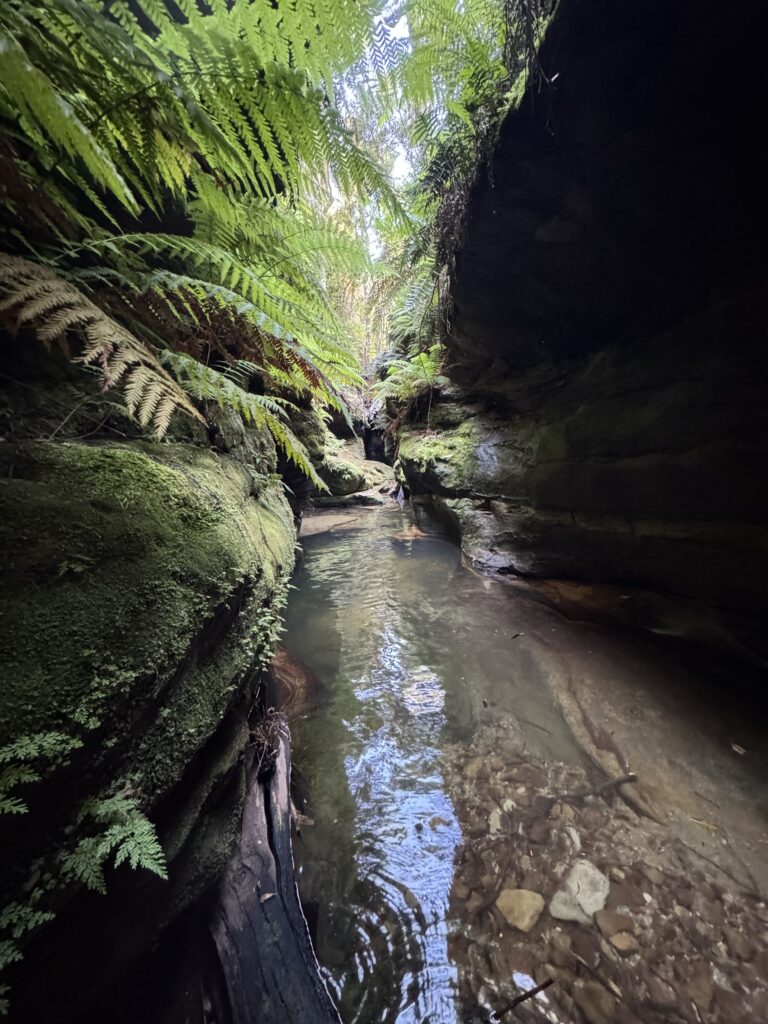
Instead, they are moving through delicate ecosystems of moss, ferns, narrow waterways and soft sandstone. Foot traffic crushes vegetation, erodes banks and clouds pools. The impact accumulates quickly, and unlike a hardened walking track, a canyon has very little capacity to recover.
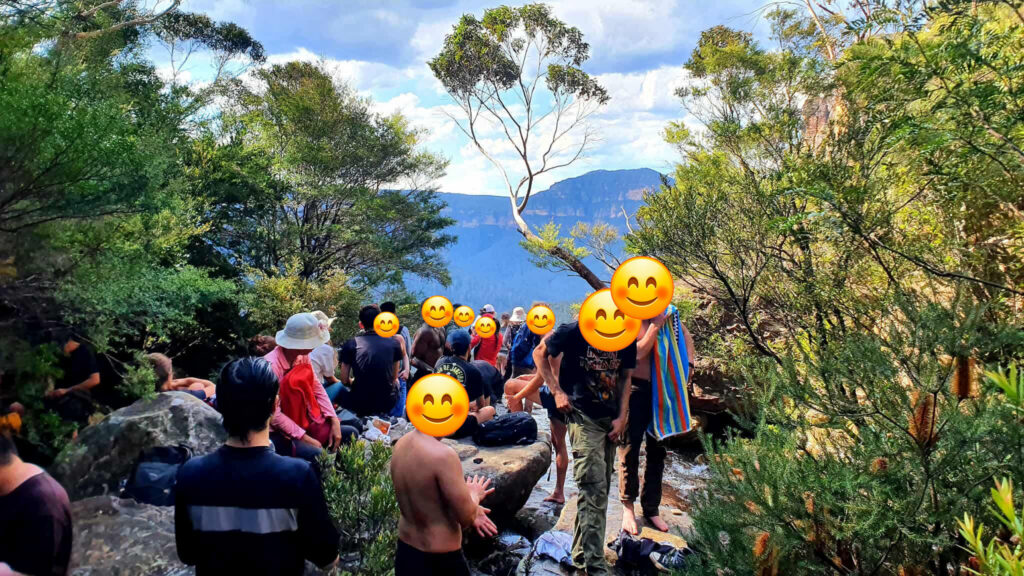
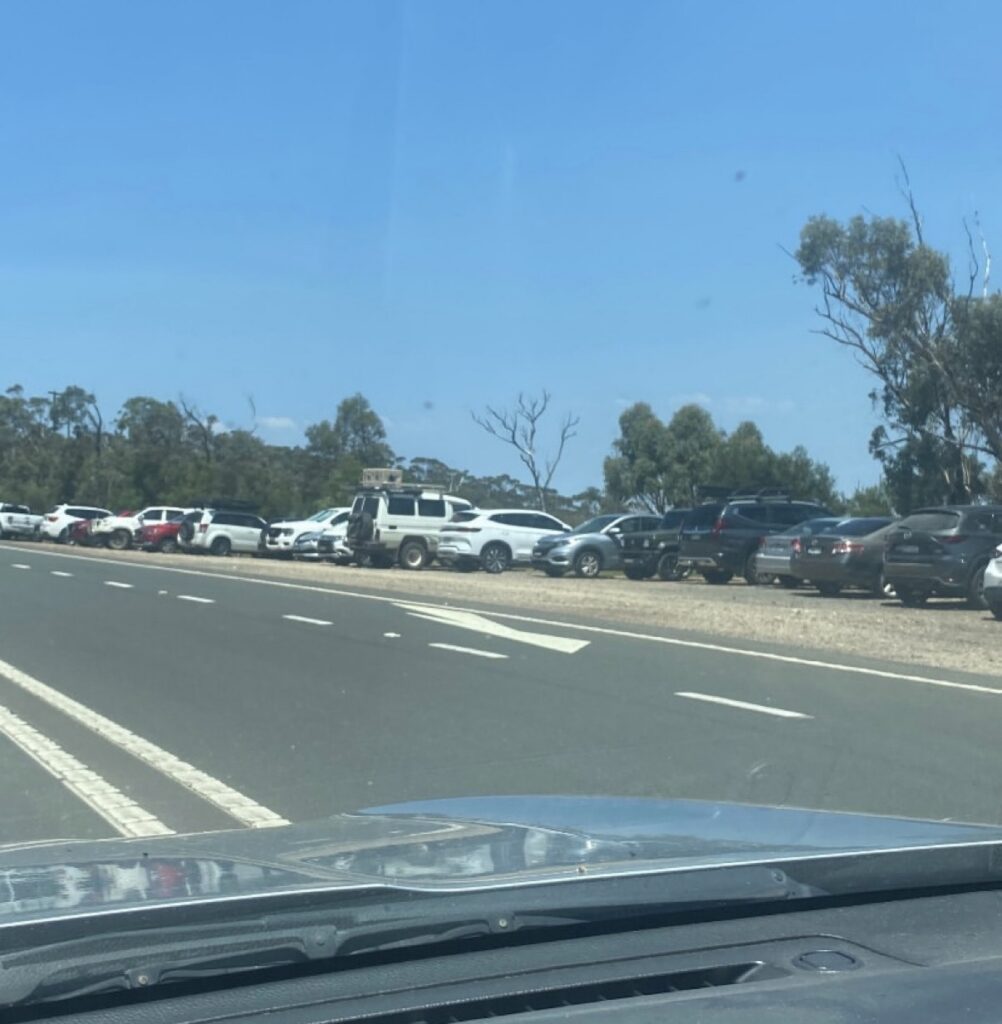
On a recent long weekend, an estimated 300 people visited a single Blue Mountains canyon that was once known for its clear water, abundant crayfish and an atmosphere of near-pristine isolation.
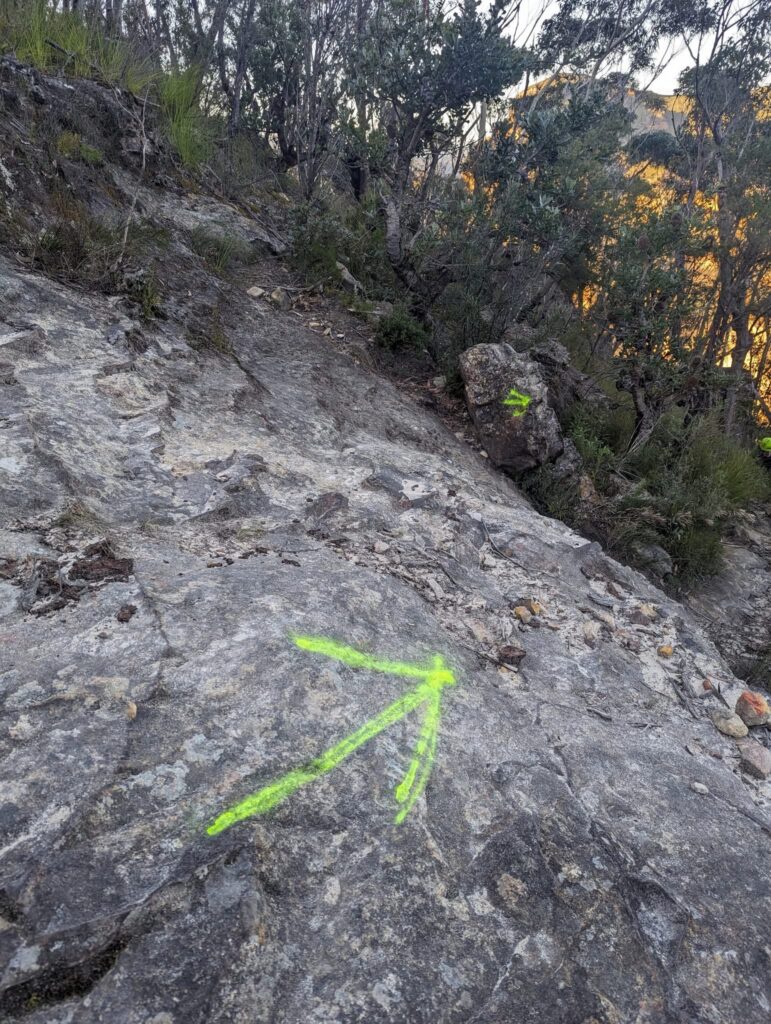
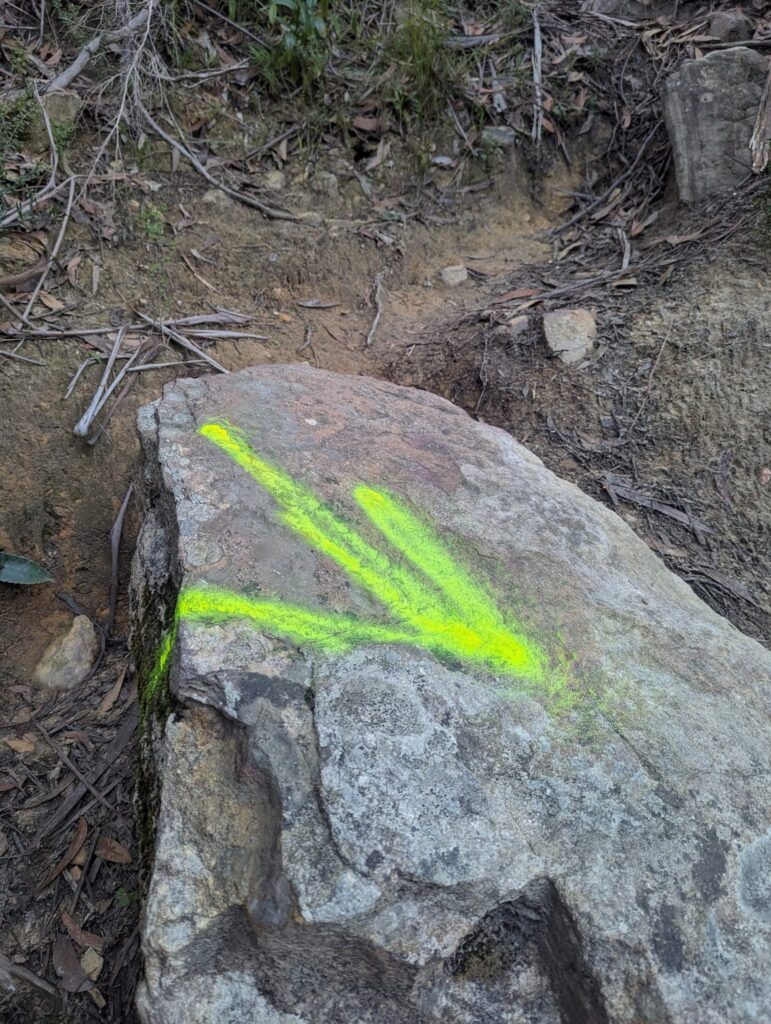
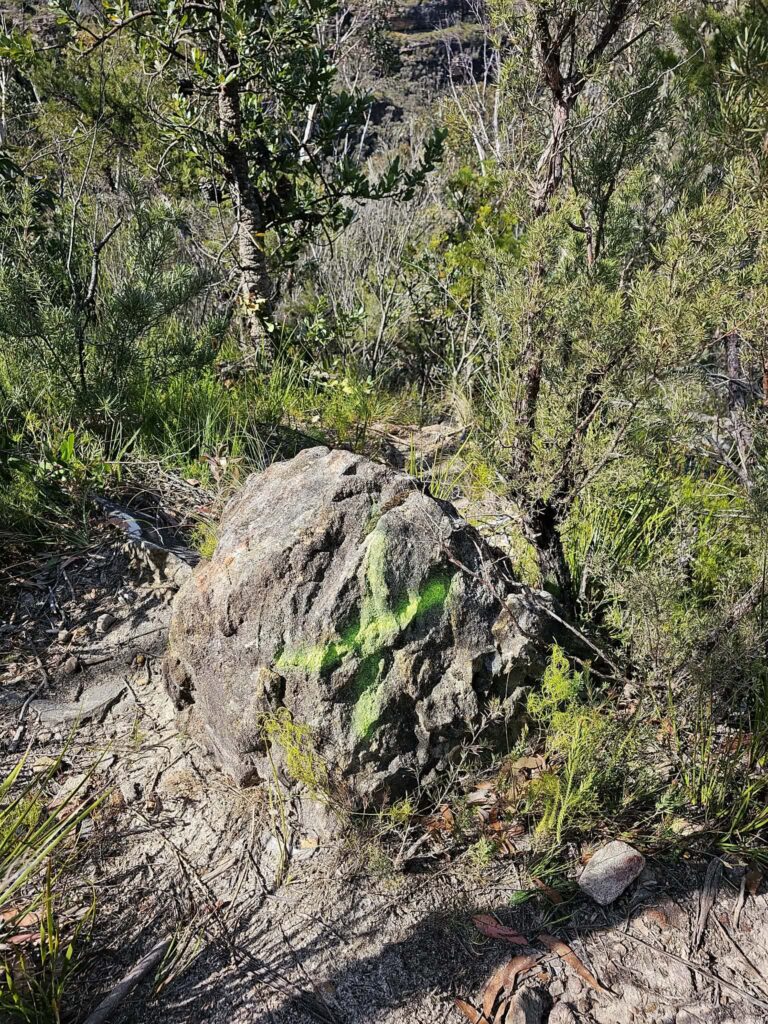
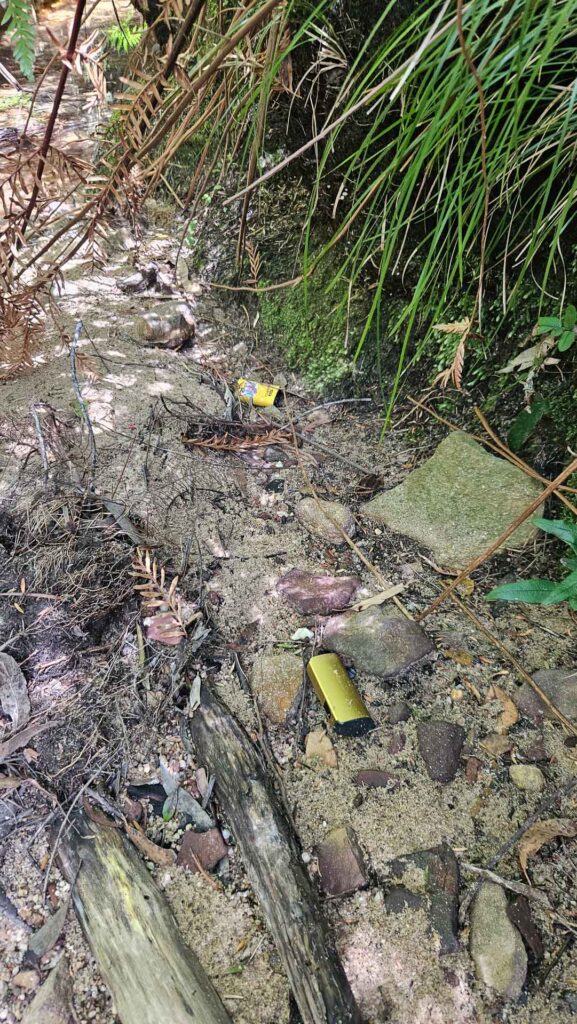
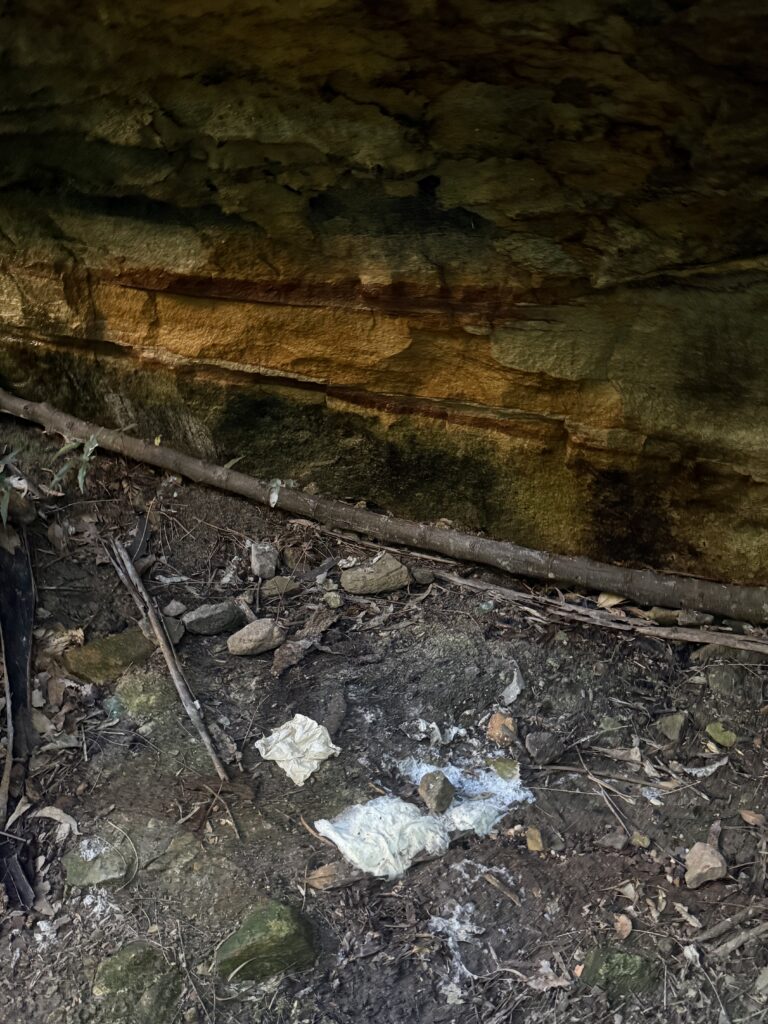
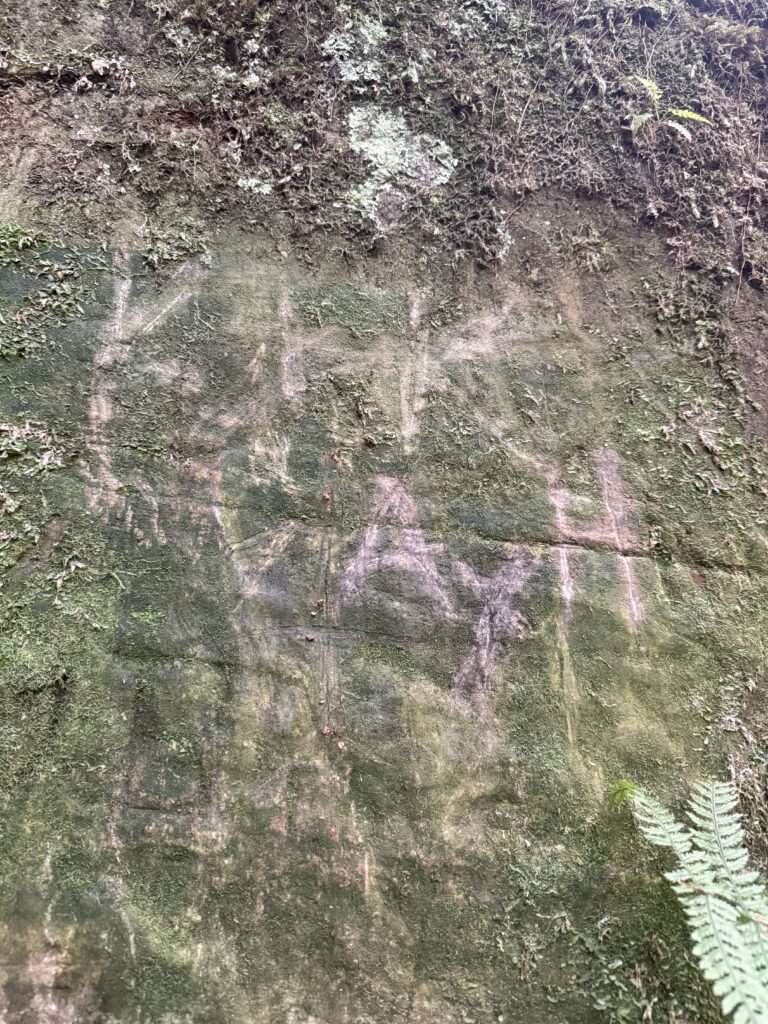
Today, experienced visitors report murky pools, disappearing aquatic life, informal tracks cutting through vegetation, fixed hand-lines, rubbish, human waste and fire scars. Others encounter lost or underprepared walkers, people attempting dangerous shortcuts up steep canyon walls, and even dogs being taken into sensitive environments.
The emotional response from the canyoning community is a mix of anger and grief. The changes are visible—and accelerating.
The Role of Guidebooks and Social Media
A growing concern within the canyoning community is the way fragile locations are being promoted for commercial or social media gain.
Some publications and online creators provide detailed maps, GPS coordinates and step-by-step access instructions, often paired with striking images of a “secret” pool. Once shared online, the location spreads rapidly.
Information that was once passed through mentorship and experience—alongside an understanding of minimal-impact ethics—is now available to anyone with a smartphone.
The issue is not that people want to experience nature. It is that these environments are not designed for high visitation.
Canyons Are Not Walking Tracks
Canyons are technical landscapes. Entry and exit routes are chosen carefully to avoid steep, unstable or easily damaged terrain. Movement often requires specialised skills, navigation ability and safety equipment.
These environments rely on low traffic and careful travel. Even small increases in visitor numbers can create lasting damage.
The risks are not only environmental. As exposure grows, so do incidents involving lost or injured visitors, increasing demand on emergency services and putting both rescuers and the public at risk.
The Instagram Effect
Online, the image is simple: a lone figure standing in a crystal-clear pool.
What the image doesn’t show is the queue waiting for the same photo, the crushed vegetation around the water’s edge, the informal tracks spreading across slopes, the rubbish left behind, or the gradual decline in water quality.
The visual narrative celebrates discovery. The ecological reality is cumulative impact.
This Isn’t Gatekeeping
When experienced canyoners speak up, the conversation is sometimes framed as exclusivity or gatekeeping. But the concern is not about keeping places secret for personal enjoyment.
It is about protecting environments that cannot withstand mass exposure.
Canyons are not equivalent to lookouts, waterfalls or managed walking tracks. They are narrow geological corridors where small changes can have long-term consequences.
The Canyoning Ethic
Most canyoners follow a voluntary minimal-impact approach:
- Stay within the watercourse and on established access routes
- Avoid trampling vegetation and fragile surfaces
- Keep group sizes small
- Do not camp or light fires in canyons
- Dispose of human waste well away from waterways
- Carry out all rubbish
- Travel self-reliantly with appropriate skills, navigation and emergency equipment
The principle is simple: move gently and leave the canyon unchanged for those who come after.
Where Responsibility Lies
There is no single solution, but the issue raises important questions about responsibility.
Publishers, content creators and influencers all play a role in shaping visitation patterns. Sharing precise locations for fragile environments can have unintended consequences when audiences scale beyond what the landscape can handle.
There is also a growing call for stronger management responses. Options being discussed within the community include:
- Designating high-risk areas as sensitive sites
- Increasing education about canyon environments and minimal-impact travel
- Developing clearer guidance around publishing location information
- Encouraging ethical storytelling that prioritises stewardship over exposure
Quiet Repair Efforts
In response to the damage, small volunteer groups have begun returning to impacted canyons—not to explore, but to help.
Working in deliberately small numbers to avoid further impact, they remove rubbish and monitor environmental decline. It is slow, careful work, and a reminder that restoration is far more difficult than prevention.
What Visitors Can Do
Anyone who cares about the Blue Mountains can help:
- Avoid sharing exact locations of fragile places online
- Follow Leave No Trace and canyoning minimal-impact principles
- Support creators and publications that prioritise conservation
- Contact land managers or National Parks to express concerns about sensitive sites
- Participate in small-scale clean-up efforts where appropriate
A Conversation We Need to Have
The popularity of wild places is not the problem. The challenge is how we share them.
Canyons offer rare experiences of quiet, water, light and stone shaped over millennia. Once damaged, they do not recover within a human lifetime.
If we want these places to remain wild, the conversation must shift—from discovery and exposure to care, restraint and responsibility.
BIO: Aimee Elise is a qualified canyon guide who followed her love of canyons to the Blue Mountains and never left. Passionate about women’s empowerment and the environment, she feels most alive when she’s out in the wild, surrounded by the raw beauty of these incredible landscapes.