From Conflict to Collaboration: Parks Victoria’s Vision for Arapiles
With years of tension over climbing access at Mount Arapiles and the Grampians, Parks Victoria’s new CEO Lee Miezis steps into the role with a promise of listening, transparency, and collaboration. In this Q&A, he shares his vision for rebuilding trust, supporting communities, and shaping a more inclusive future for Victoria’s parks.
When Lee Miezis stepped into the role of Parks Victoria CEO, one of his first priorities was heading west—to Horsham, Natimuk, and Mount Arapiles. After years of strained relationships over climbing access, he’s aiming to reconnect with local communities, Traditional Owners, and climbers. In this Q&A, he reflects on his path to the role, his connection to the outdoors, and his vision for Arapiles and beyond.
What’s your earliest memory of feeling connected to the outdoors?
I grew up in the Yarra Valley, in East Warburton. Across the road we had the Yarra River, and the forest was really just an extension of our backyard. We’d spend the whole day outside—riding bikes, building cubbies, fishing, climbing trees—and only head home when we were hungry or when it got dark. It was a very outdoorsy childhood.
If you could spend a whole day in one Victorian park, where would it be?
That’s a tough one—we’re spoiled for choice in Victoria. I love the Otways for its diversity and I love the Alps for their majesty. But I kept coming back to Wilsons Prom. A summer day, a big walk, a swim and watching the sunset—that’s hard to beat.
What excites you most about stepping into this role?
Parks Victoria manages some of the most spectacular parts of the state. For me, enabling people to get out and enjoy areas—and to gain the health and social benefits that come from being outdoors—is really special. When people experience these places, they also come to understand their environmental and cultural heritage values, and that helps protect them for the future. It’s both exciting and a privilege to connect people with these landscapes.

Can you tell us a little about your background with Parks Victoria?
I’ve worked in public land management for about 30 years. My early career was mostly working in NSW, then I moved back to Victoria and joined the environment department around 20 years ago. I spent a lot of time working in operations, regulation and policy, including in fire and emergency management, which is such a critical part of public land management. I’ve worked alongside Parks Victoria for a long time, and thought I knew the organisation well – but joining Parks Victoria has given me the, chance to “look under the hood” and really see how things work and better understand the passion of our staff and the importance of the work they do.
If you had to sum up Parks Victoria in three words, what would they be?
For the people. Parks are for the people, and our role is to manage them on behalf of the people of Victoria.
What might surprise people about your role?
Probably how much of my time is spent in meetings. I’d rather be out in our parks. But when I do get out, it’s in some pretty special places—meeting with Parks Victoria staff and seeing the work they are doing and – from the Little Desert to Wilsons Prom, Mount Buffalo to Cape Conran and Point Nepean to Port Campbell. I see my role as enabling Parks Victoria to do good work for the community – looking after special places so people can enjoy them now and into the future.
You’ve recently visited Mount Arapiles. What brought you there?
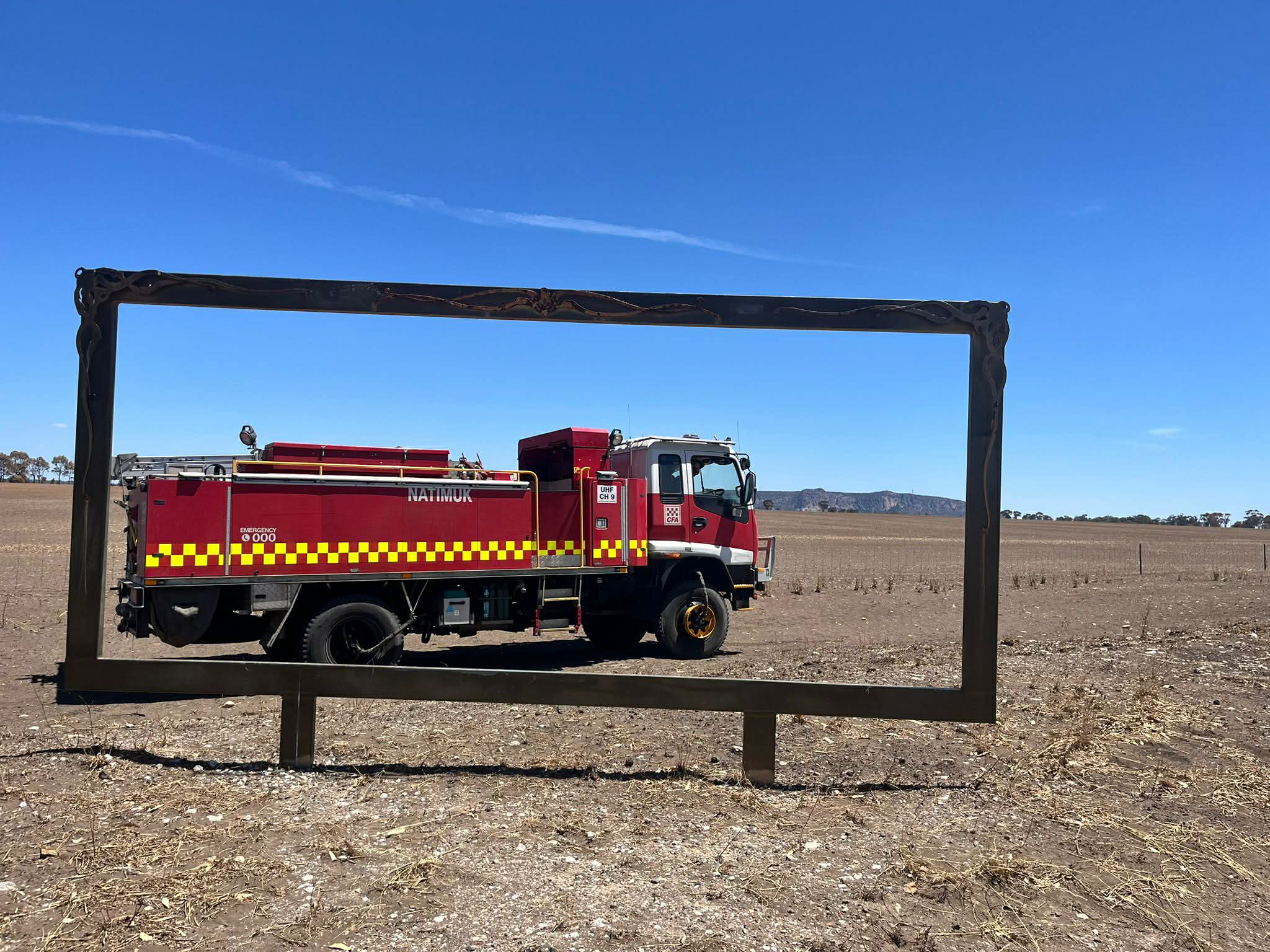
Not long after I started, I went to Horsham to meet with Barengi Gadjin Land Council and community groups, to reset relationships after some difficult years. We also reopened the Parks Victoria office in Natimuk and appointed new rangers based there. I wanted to reacquaint myself with Arapiles—it had been a few years—and I prefer to “kick the dirt” onsite rather than just talk around a table. Seeing the place firsthand makes a big difference.
Tell us more about the new ranger appointments at Natimuk.
We haven’t had a presence in Natimuk for about 10 years, so re-establishing that was really important. I believe in place-based leadership and being present in the communities we work with. The rangers will have varied roles—working with the Barengi Gadjin Land Council, engaging with climbers and the local community, maintaining facilities and educating visitors about the cultural and environmental values of the place. Parks Victoria having a local presence is about building relationships and demonstrating that we value the importance of Arapiles and its values.
Will the new rangers be policing climbers? Our rangers will be focussed on engaging with visitors, and educating them about the important values of the area. I’d really like to think climbers will police themselves, and we are working with Climbing Victoria about what that looks like.


Did you get on the ropes during your visit?
No, not this time. I had a walk around the sites and talked to people. The following day I was at the Grampians with members of Climbing Victoria, scrambling over rocks (in completely inappropriate footwear!) while visited some of the crags reopened following cultural heritage assessments. It was fantastic to spend time with climbers, ask lots of questions, and get a feel for the culture and ethics of climbing.
Have you ever tried climbing?
No, I haven’t. I’m not sure I’d have the fortitude—I’m not afraid of heights exactly, but I haven’t given climbing a go. Maybe one day!
What was your biggest takeaway from visiting Arapiles?
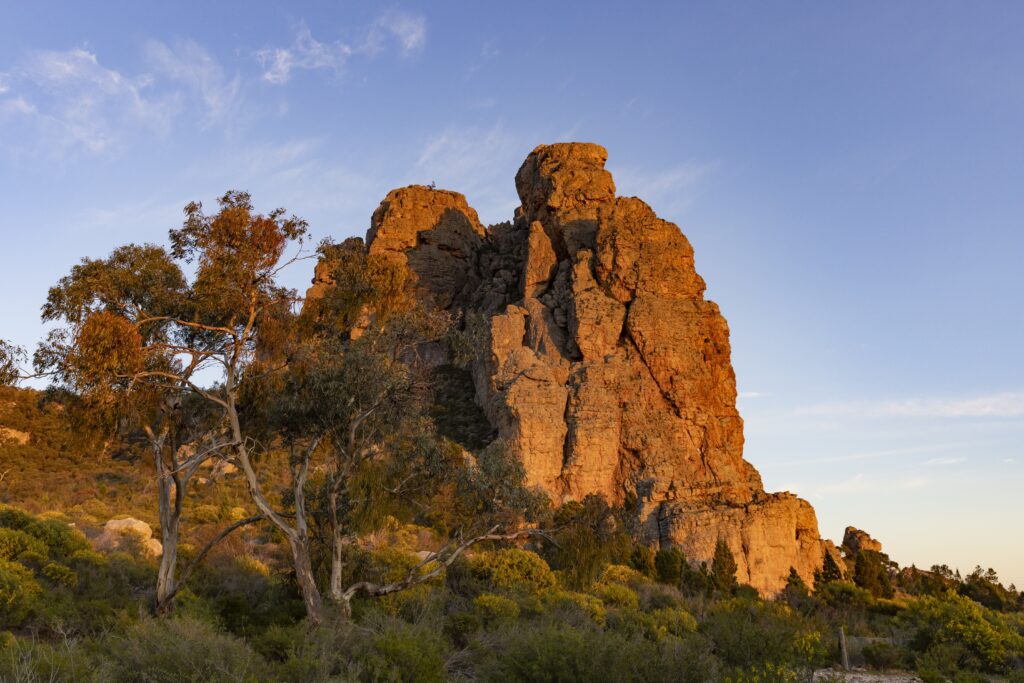
The passion people have for the place. Dyurrite has special significance for Traditional Owners who care deeply for it. Climbers love it, , The broader community loves it. It’s not just somewhere people visit—it becomes part of them. That really comes through when you talk to people.
How do you see places like Arapiles fitting into the bigger picture of conservation and recreation?
I don’t think it’s an “either-or.” When people are able to enjoy and connect with a place, they’re often the ones who care most about protecting it. We want more people to enjoy our parks, because that builds stewardship. At Arapiles and elsewhere, the key is enabling different pursuits while ensuring the values—environmental, cultural, and social—are respected and protected.
What’s your vision for Arapiles over the next five years?
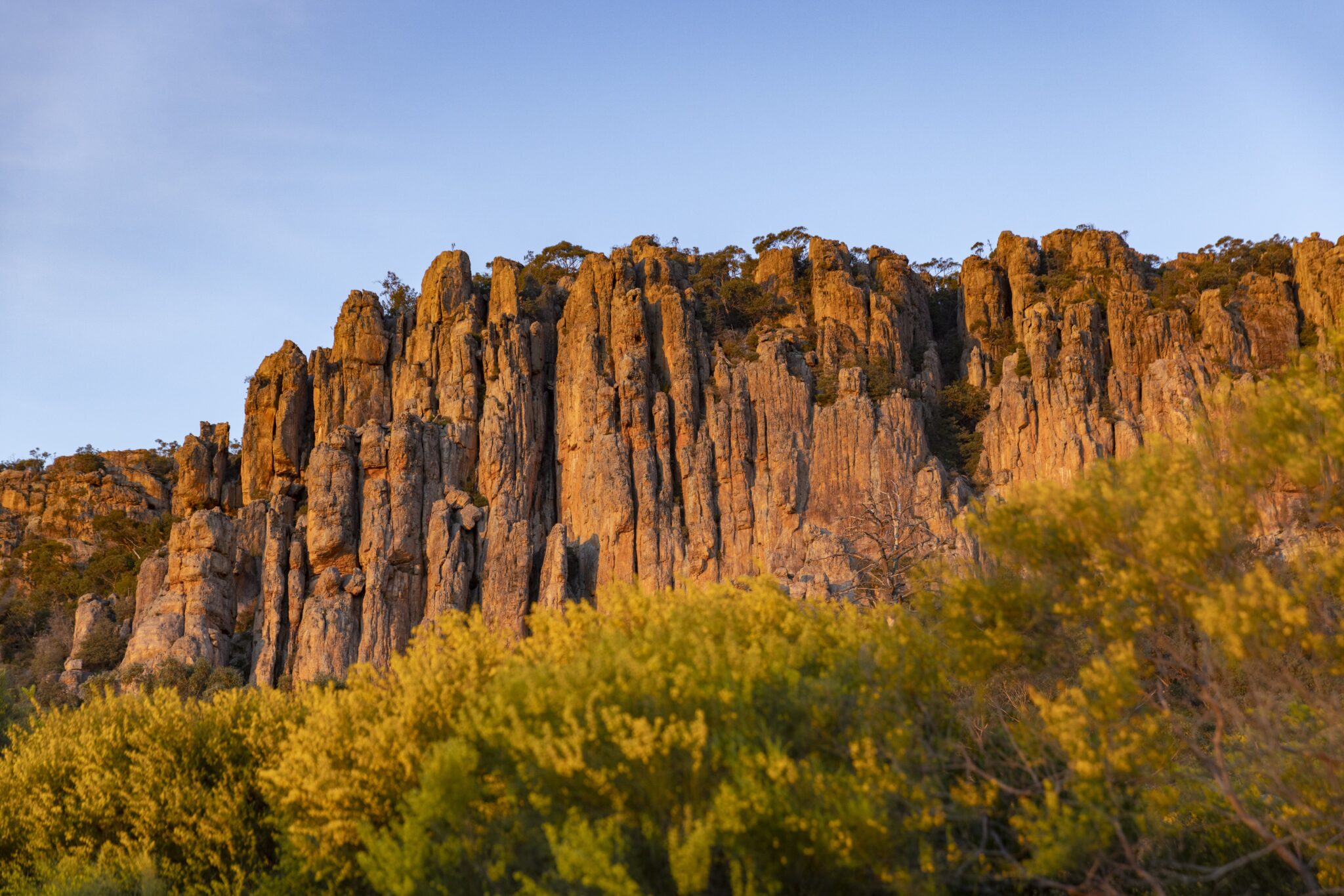
Arapiles should be celebrated for its diversity—its cultural heritage, natural values, and the recreational opportunities it provides. My vision is for it to be inclusive, a place where different parts of the community feel welcome, and where its special qualities are understood and appreciated.
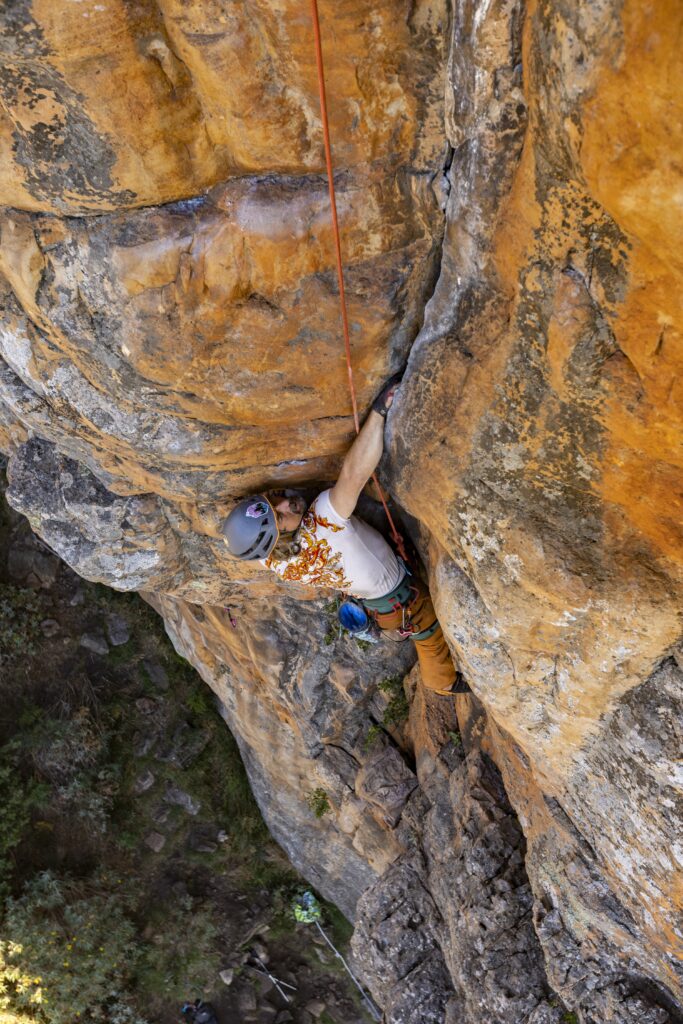
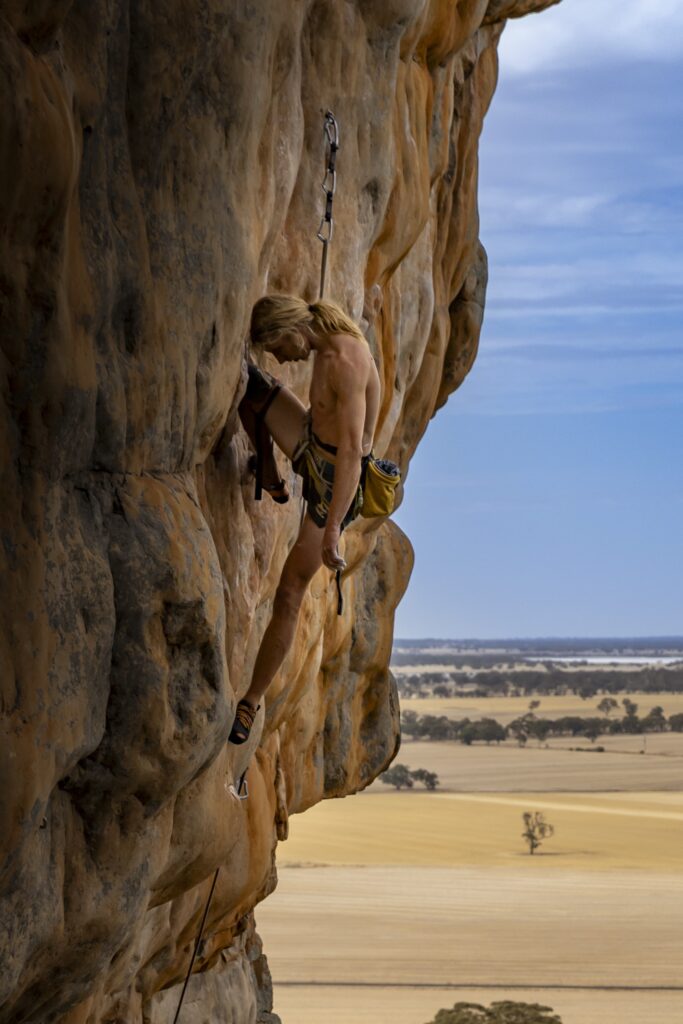
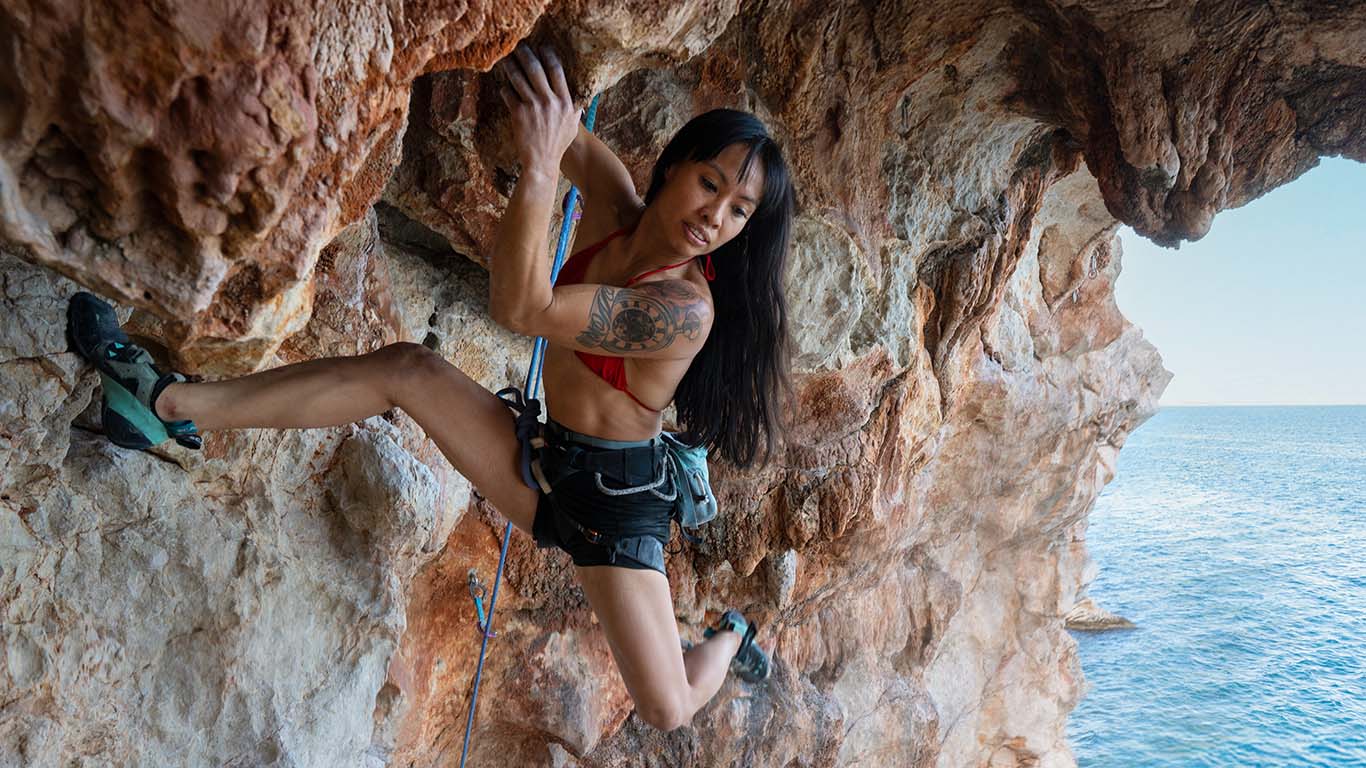
Left: Zorba Parer on Morfydd (19) Right: Daniel Nikitin on Punks in the Gym (32)
What excites you about working with such a diverse community?
You learn something new every time you talk with someone. If we can harness the passion and expertise within the climbing community, the Traditional Owners, and the local community, we can achieve really good outcomes by working together. Parks Victoria has a role to capture that knowledge and passion, and use it to make the best decisions.
In the past, blanket bans have caused frustration in the community. How do you see the path forward?
Blanket bans don’t work—when they’re done to rather than done with people. We may have to make tough decisions at times, but the key is to be inclusive, transparent, and collaborative in making those decisions. We need to bring all parties together—climbers, Traditional Owners, local communities—and use that collective expertise to reach the best outcomes. You can expect from me a open approach –, listening and honest conversations.
You mentioned the Grampians. How do you see climbing access evolving there?
The Grampians has been particularly challenging because of the sheer number of climbing sites, the presence of highly significant cultural heritage, and the large visitor numbers. Some areas were closed as a precaution, and I know that caused a lot of frustration for some.
What we’re now doing— in partnership with Traditional Owners and informed by Climbing Victoria , is working through priority areas one by one. We want to better understand where climbing can occur without damaging cultural heritage or the environment, and where it isn’t appropriate.
Does that mean some of the blanket bans could eventually be lifted?
Yes. In fact, some already have. The approach we are taking is precautionary to protect irreplaceable cultural heritage values. We are carefully assessing individual climbing areas with Traditional Owners, identifying any risks to cultural heritage values, and then deciding whether access can be allowed, modified, or is restricted. It won’t mean every site is reopened, but it does mean the process is transparent and based on good evidence.
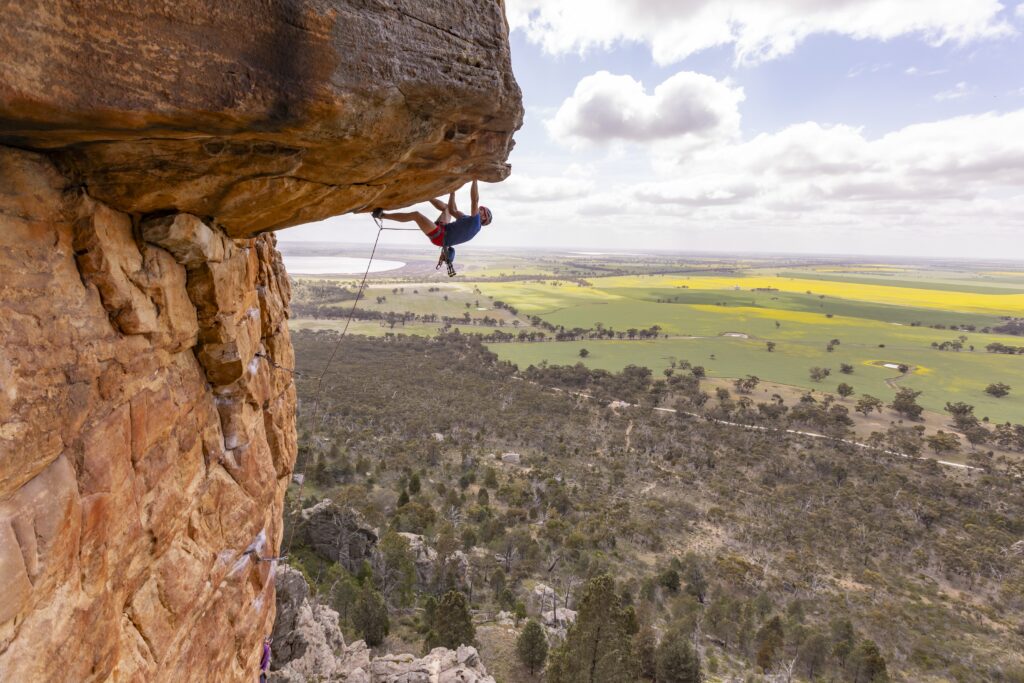

Left: Dmitry Linkov on Kachoong (21) Right: Dean Bailey, belayed by Regan Dyson on Judgement Day (19)
What role do you see climbers themselves playing in that process?
A critical one. Climbers know the crags better than anyone. They also care deeply about them. By working with climbers—through organisations like Climbing Victoria and directly—we can combine their passion and knowledge with cultural and scientific expertise. That’s how we’ll get the best outcomes.
Finally, what message would you like to send to the climbing community?
That we value your passion, your expertise, and your commitment to these places. We may not always agree, and sometimes tough decisions will need to be made, but I’m committed to doing things differently—listening more, being transparent, and building stronger partnerships. If we work together, we can make sure Arapiles, the Grampians, and our parks are accessible, and the cultural and natural values that make these places so special are protected for generations to come.
Final Statement from Parks Victoria
We are still working with Barenji Gadgin Land Council and other members of the working group on these areas.
At the meeting of the Community Working Group (CWG) on 19 August 2025 members confirmed their shared intent to:
- create more diverse and inclusive opportunities for people to enjoy and access the Dyurrite Cultural Landscape (Mount Arapiles–Tooan State Park),
- support economic and social benefits for the community and broader region,
- protect and celebrate the area’s cultural, social and environmental values.
The Community Working Group supported a pause to the process to revise the management plan. This will allow time to progress agreed actions before any plan is finalised.
Initial agreed actions
- Climbing Victoria to work with Barengi Gadjin Land Council (BGLC) to support further survey work of unassessed areas.
- Climbing Victoria to share information on appropriate climber etiquette that could be better promoted at Dyurrite through signage.
- All members of the Community Working Group to develop ideas for economic and social opportunities at Dyurrite and the local area – for example markets, community events that could be held at the base of Dyurrite or adjoining areas.
- Community Working Group members to provide ideas and input on the cultural, environmental and recreational values and history that could be better celebrated through improved signage and information at Dyurrite.
- Parks Victoria to better acknowledge and celebrate the volunteer efforts for environmental care and rescue services at Dyurrite.
Other articles of interest:
6 Climbing Areas at Risk if the Arapiles Bans Proceed
Arapiles Update: Climbers Rally at Shared Not Shut Vigil
Climbers Reflect on Life, Community, and the Future of Arapiles.